
The Silent Threat: Hearing Loss from Workplace Noise
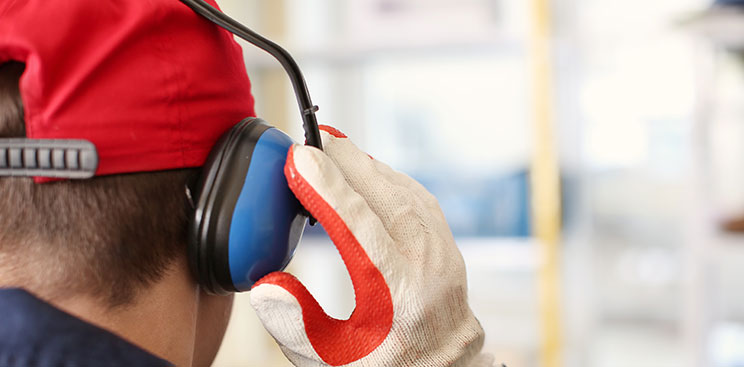
Hearing loss is the third most common health condition in the United States, impacting nearly 20% of the population. While often overlooked, noise-induced hearing loss is one of the most frequent workplace injuries today.
Research indicates that 13% of American workers suffer from hearing damage caused by prolonged exposure to loud environments. The CDC found that one in eight employees shows signs of hearing impairment, with certain industries facing significantly higher risks.
Industries with Elevated Risk
- Mining: 17% of workers experience hearing loss, making it the loudest industry with extreme noise exposure.
- Construction: 16% of workers are affected due to constant use of heavy machinery.
- Manufacturing: 14% of workers face hearing damage from sustained industrial noise.
Noise-induced hearing loss can affect anyone, regardless of age. OSHA reports that 22 million employees are exposed to unsafe noise levels each year, resulting in millions of dollars in compensation claims. However, hearing loss is permanent—once it occurs, it cannot be reversed.
Steps to Safeguard Your Hearing
Protecting your hearing in noisy workplaces is critical. Here are practical measures:
- Wear earplugs or earmuffs consistently, even if optional.
- Use smartphone apps to measure workplace noise levels.
- Request protective gear from your employer if noise exceeds safe limits.
- Schedule annual hearing tests to detect early signs of damage.
Any noise above 85dB can cause harm over time. Awareness and prevention are the best defenses—your hearing is irreplaceable, so protect it before it's too late.