
Different Types of Hearing Impairment
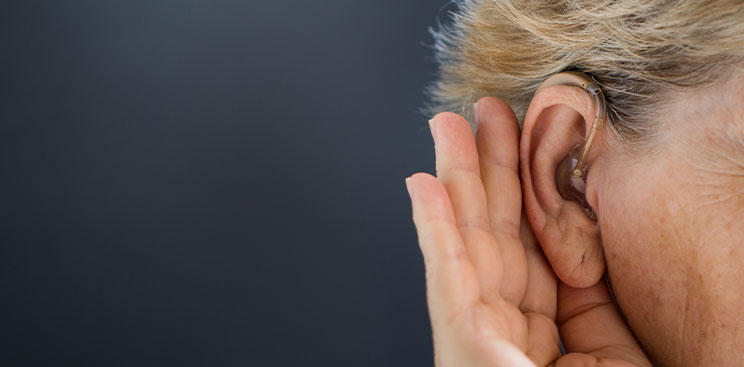
Globally, an estimated 360 million people suffer from hearing loss, including 48 million Americans. In the United States, hearing loss is the third most common chronic condition. Understanding the various types of hearing impairment is essential to addressing this widespread issue.
Noise-Induced Hearing Loss
One of the most common forms of hearing loss is noise-induced, caused by prolonged exposure to loud sounds. This type of impairment develops gradually but can also result from sudden bursts of noise such as explosions or gunshots. Hunters, factory workers, construction employees, and musicians are among those most at risk.
Sudden Hearing Loss
Hearing loss can also occur abruptly, developing within hours or days. Often linked to viral infections, this condition requires immediate treatment by Ear, Nose, and Throat (ENT) specialists.
Congenital Hearing Loss
Congenital hearing impairment is present at birth. Around 50% of cases are genetic, while 25% result from non-genetic factors. Mandatory newborn hearing screenings help detect this condition early, ensuring timely intervention.
Conductive vs. Sensorineural Hearing Loss
- Conductive Hearing Loss: Caused by physical obstructions such as earwax, damaged eardrums, or problems with ear bones. More common in children and often medically treatable.
- Sensorineural Hearing Loss: Results from damage to the inner ear, cochlea, or auditory nerve fibers. This is the most widespread type and typically requires hearing instruments for management.
Bilateral and Unilateral Hearing Loss
Hearing loss can affect both ears (bilateral) or just one ear (unilateral). Approximately 3% of school-aged children experience unilateral hearing loss. Symmetrical impairment occurs when both ears are equally affected, while asymmetrical impairment involves differing levels of hearing capacity. Asymmetrical cases may stem from viruses or abnormal growths and often require ENT evaluation.
Severity and Treatment
Hearing loss varies in severity and curability. Some forms can be treated medically, while others require hearing aids. Professional testing is crucial to obtain an accurate diagnosis and timely intervention, ensuring the best possible outcome for hearing health.